UNESCO Expands World Heritage Status for South Korea’s Tidal Flats
UNESCO has officially expanded the World Heritage status of South Korea’s coastal tidal flats, known locally as “Getbol,” during the 48th session of the UNESCO World Heritage Committee in Busan. The decision marks a major milestone for marine conservation and significantly expands the protected area first established in 2021.
The committee approved the addition of four coastal regions: Yeosu, Goheung, and Muan in South Jeolla Province, and Seosan in South Chungcheong Province. They join the original sites in Seocheon, Gochang, Shinan, and Boseong-Suncheon, nearly doubling the total protected area.
South Korea’s tidal flats are crucial natural habitats. Shaped by changing tides, these coastal ecosystems provide vital stopover sites for millions of migratory waterbirds traveling along the East Asian-Australasian Flyway. Furthermore, the Getbol supports extraordinary biodiversity, housing roughly 2,000 marine species, including numerous globally threatened waterbirds and rare organisms that live in the seafloor sediments.
UNESCO recognized the site under a criterion for the in-situ conservation of biological diversity. The committee also praised South Korea’s ongoing efforts to protect these delicate ecosystems and highlighted the role of local fishing communities, which have long practiced traditional and sustainable harvesting methods.
With the expansion, “Getbol, Korean Tidal Flats” consolidates its place as South Korea’s second natural World Heritage site and its 15th overall World Heritage listing. Environmental experts expect the recognition to encourage international research, strengthen coastal conservation, and inspire young people to become more involved in protecting ecosystems.
As climate change poses increasing threats to coastlines worldwide, the expanded UNESCO designation draws greater attention to South Korea’s tidal flats while reinforcing the importance of protecting marine habitats and the communities that depend on them.
Blair For The Teen Times teen/1787099203/1613367659
1. Which four regions joined the World Heritage site?
2. Why are tidal flats important for migratory birds?
3. How many marine species inhabit the Getbol?
4. Why did UNESCO recognize South Korea’s Getbol?
1. Should more coastal ecosystems receive international protection?
2. Can World Heritage status improve environmental conservation?
3. Should local communities help manage protected natural areas?
4. How can students help protect marine ecosystems?








































































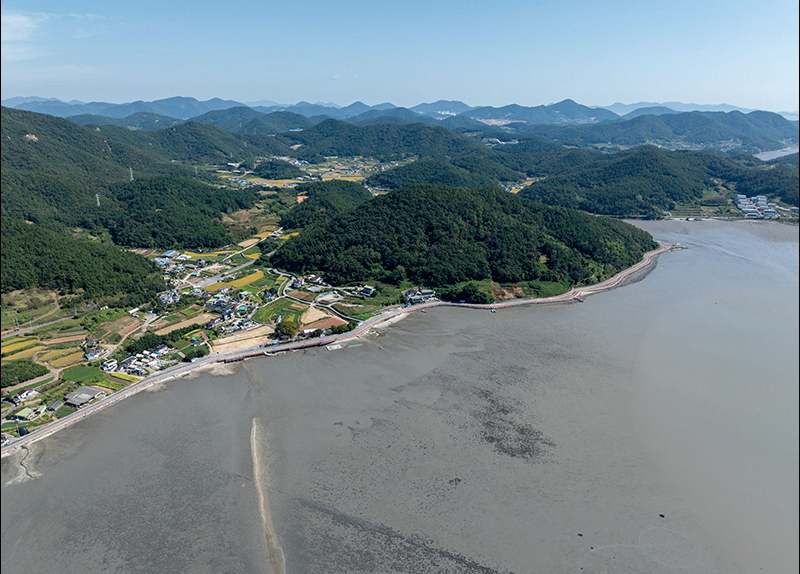 UNESCO has officially expanded the World Heritage status of South Korea’s coastal tidal flats, known locally as “Getbol,” during the 48th session of the UNESCO World Heritage Committee in Busan. The decision marks a major milestone for marine conservation and significantly expands the protected area first established in 2021.




